
About the show
Retirement Navigator helps adults 55 and above embrace retirement as a vibrant new chapter — with curiosity, confidence, and clarity.
A 60-year-old today may have thirty-five years ahead of them. That is not a wind-down. It is a second adult lifetime — longer than childhood and school combined — and almost nothing written about retirement was built for it.
The old script was simple: work, save, stop, decline. It assumed twelve or fifteen years on the other side. It said nothing about what to do with three decades of health, time and capability, and it treated aging as something that happens to you rather than something you can shape.
This show is about shaping it. Every week we sit down with someone who genuinely knows the territory — researchers, clinicians, caregivers, policy experts, people who have lived it — and we push past the systems-level answer until it becomes something you can act on this month.
What we cover
Not just the money, and not just the benefits. A longer life asks more questions than a financial plan can answer, and more than half of them are about health.
What thirty more years actually asks of a body and a life — and what the research says still moves the needle starting at 60, 70 or 80.
Strength, balance and what you eat, treated as the retirement infrastructure they are. The two levers with the most evidence behind them.
What raises and lowers dementia risk, which changes are normal and which are not, and how families spot the early signs they usually miss.
Depression and anxiety are not a normal part of getting older, though they are routinely treated that way. Also: who you are after the job title goes.
Isolation carries a measurable health cost — comparable to smoking. This is a medical issue as much as a social one, and it is treatable.
Staying in your own home safely. One in three older adults lives alone — what that changes, what has to change with it, and when it stops being realistic.
For a parent, for a spouse, and eventually for yourself. What it costs, what it takes, and where the help actually is.
Planning for thirty years, not fifteen. Working longer by choice, second-act income, and making retirement income last across a much longer runway.
Social Security, Medicare and the programs you have earned, claimed for the most you are owed. And the part nobody else says out loud: Medicare does not cover long-term care. Knowing where the net stops is what lets you plan around the gap.
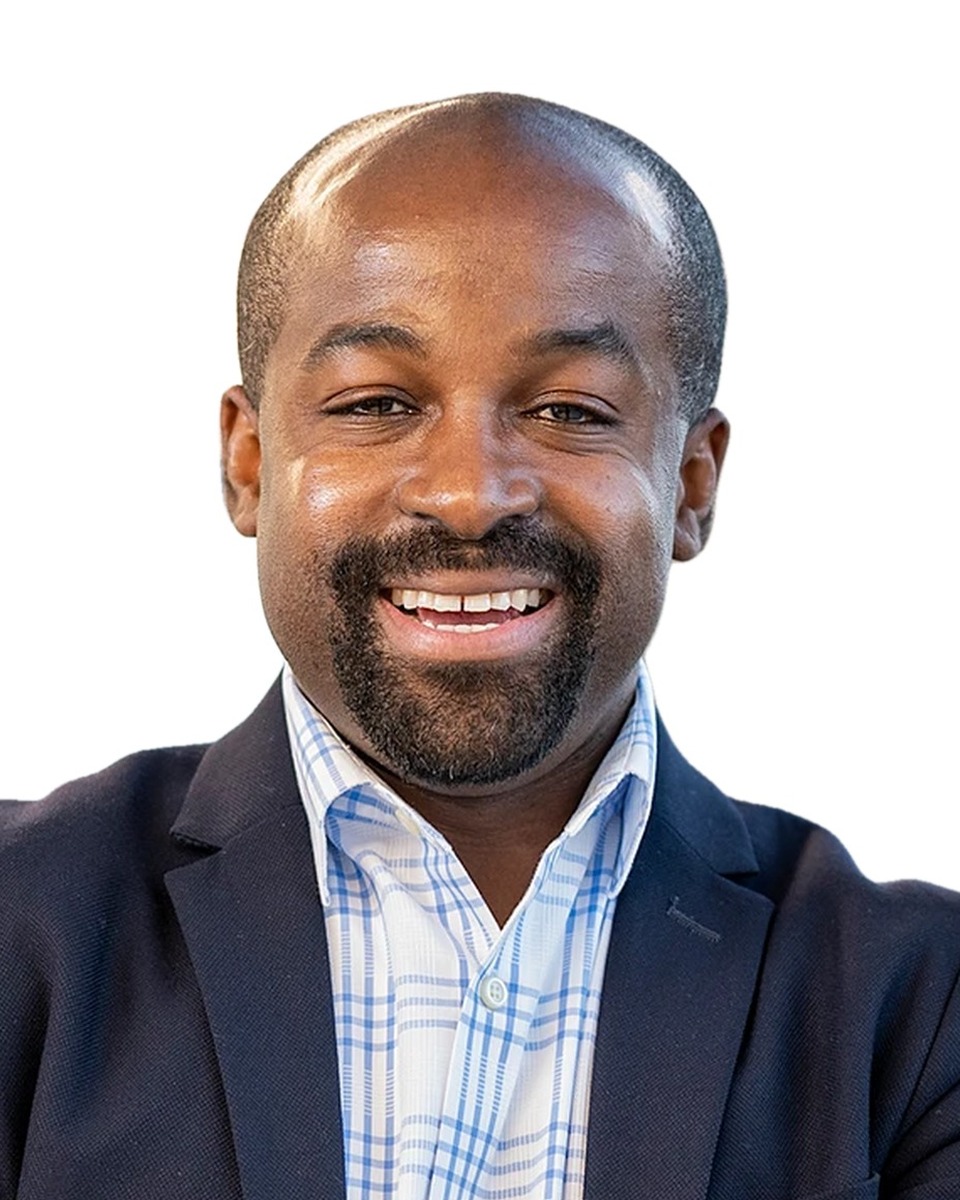
Your host
Kwame Kuadey is the co-founder of Next Chapter Media and an Adjunct Professor of Finance at Johns Hopkins University Carey Business School. Through Benefits Insider he has helped more than 365,000 people and counting understand the Social Security and Medicare benefits they have already earned.
He is a Shark Tank winner and a four-time Inc. 5000 entrepreneur. His work has appeared in The Wall Street Journal, The Washington Post, Forbes, Inc. and on NPR, and he is the author of The Social Security Playbook.
He started this show because the benefits work kept running into a bigger question. Getting every dollar you are owed matters — and it is still not the same thing as knowing what to do with thirty more years.
Credentials
How we work
Numbers on this show come from primary sources — SSA, CMS, the Census, peer-reviewed research — and we say which. If we get something wrong, we correct it on the record.
If an episode is sponsored, we say so in the episode. A guest appearing on the show is not an endorsement of what they sell, and we say that too.
Aging is not a crisis to be frightened of. Where something is genuinely hard — the cost of care, a diagnosis, a benefit that runs out — we say so plainly, and then we say what to do about it.
Part of Next Chapter Media
Through a trusted portfolio of brands, content and community, Next Chapter Media gives adults 55+ everything they need to navigate their next chapter with confidence.
Retirement Navigator is the conversation. Benefits Insider is where the written guides, videos and free tools live. The Morning Step is a few minutes of encouragement every morning. Same audience, same mission, different doors in.
New episodes every week, wherever you already listen. Curiosity, confidence, and clarity for the next thirty years.
Or get each new episode by email