A Next Chapter Media podcast New episodes every week · Subscribe free · Podcast site A A

Episode 20 · Coming soon · Connection & aging in place

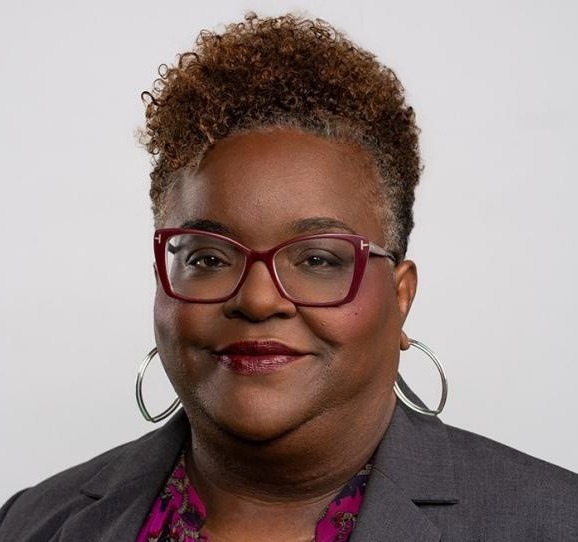
Dr. Stacy Torres

Assistant Professor of Sociology at the University of California, San Francisco, and author of At Home in the City

On Retirement Navigator

Who Would Notice If You Didn't Show Up? How to Make Sure Someone Does

Dr. Stacy Torres

Listen

New episode

Coming soon

Subscribe and it will arrive on your phone the morning it drops.

Subscribe free

“You get to know people over time, you see them regularly, and you may not even know them that well, but it definitely fosters a sense of belonging and trust.”

— Dr. Stacy Torres, Episode 20, at 26:10

About Dr. Torres

Dr. Stacy Torres is an Assistant Professor of Sociology at the University of California, San Francisco, in the School of Nursing's Department of Social and Behavioral Sciences. Her research focuses on aging, social relationships, gender, health and urban communities.

She is the author of At Home in the City: Growing Old in Urban America, built on 5 years with older New Yorkers at a neighborhood bakery in Manhattan. As a public sociologist, her writing has appeared in The New York Times, The Washington Post, the Los Angeles Times and the San Francisco Chronicle.

She holds a PhD in Sociology from NYU, an MFA in Creative Nonfiction from Columbia University and a BA from Fordham University. She is a first-generation college graduate who grew up in New York City.

Credentials
  • Assistant Professor of Sociology, School of Nursing, University of California, San Francisco
  • Author, At Home in the City: Growing Old in Urban America
  • Writing in The New York Times, The Washington Post, the Los Angeles Times and the San Francisco Chronicle
  • PhD in Sociology, NYU
  • MFA in Creative Nonfiction, Columbia University

Follow Dr. Torres' Work

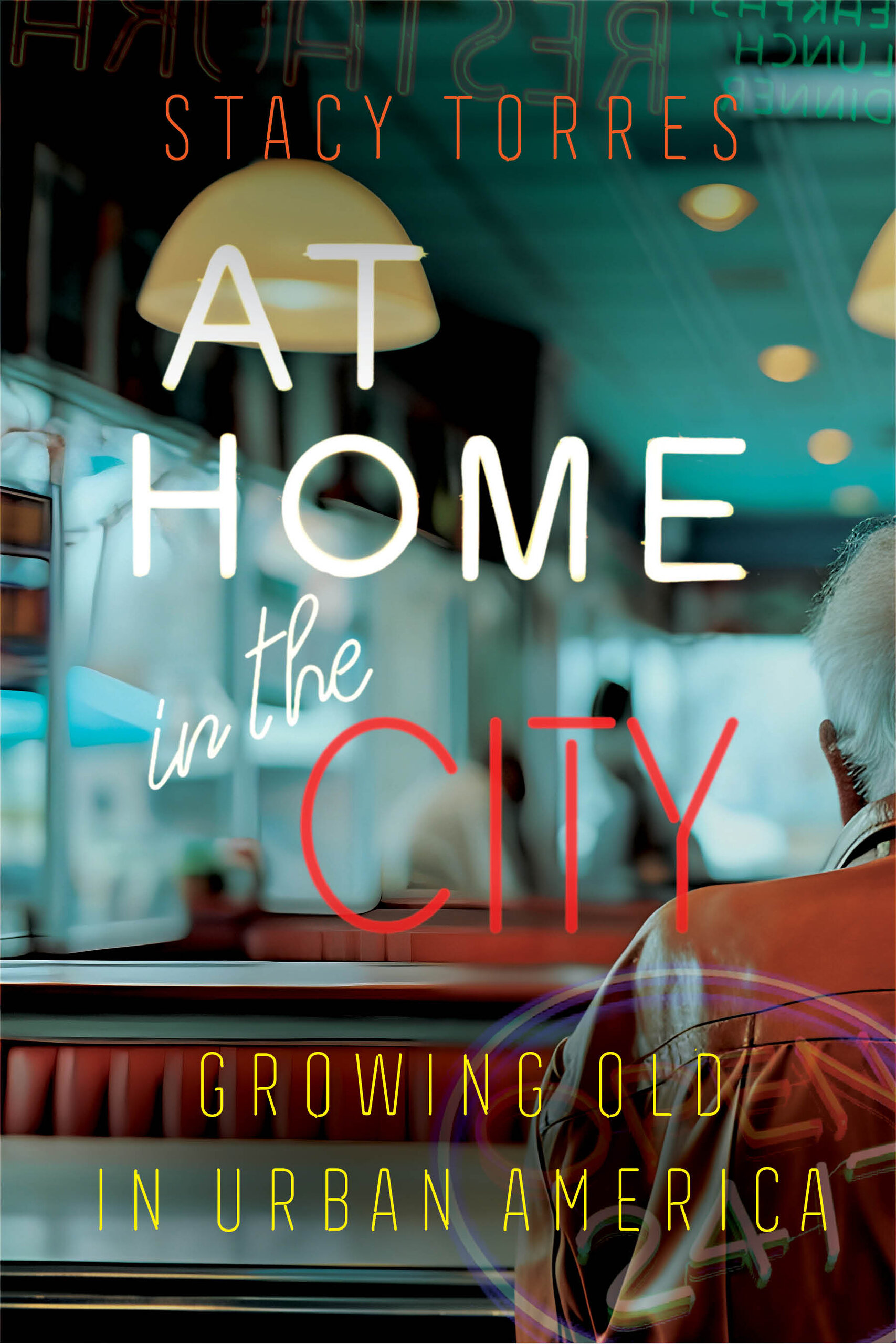
At Home in the City book cover

The book

\"An instant classic.\" Mitchell Duneier, Princeton University

At Home in the City

Growing Old in Urban America

by Stacy Torres · University of California Press, 2025

What you'll learn


  • Some of the most useful relationships are not friendships. People who talked every day for years often did not call each other friends. Dr. Torres calls these "elastic ties": they come close when needed and pull back, like a rubber band.
  • Someone noticing you is the point. If a regular did not show up one day, people got concerned, asked around the neighborhood and sometimes went to check on them.
  • Senior centers are a great resource, and many people still avoid them. She found real stigma around them, and when the bakery closed, some of the group went to places like a McDonald's or a deli instead.
  • Running out of money is more than a financial problem. One man she studied, a World War II veteran and working writer with no pension, outlived his savings, and it became a mental health crisis.
  • Long-term affordable housing made the difference for people on modest incomes. She calls it a godsend for the people she spent time with.
  • Being alone and being lonely are different things. Even the happiest people in her study had to be intentional about structuring their time.
  • Make a plan to be noticed. One woman and her friend called each other once a day, just to check. Go through your contacts this week and set up something that feels comfortable to you.

In this episode


  • 00:00What You Will Take Away
  • 02:39Meet Dr. Torres
  • 03:51The Neighborhood Bakery
  • 05:02Together Every Day, but Not Friends
  • 09:22Elastic Ties
  • 10:26Why Some People Skip the Senior Center
  • 12:55What Happens When the Money Runs Out
  • 17:02Does Money Decide Your Quality of Life?
  • 17:47Why Affordable Housing Was a Godsend
  • 21:10Alone vs. Lonely
  • 23:51When the Bakery Closed
  • 24:42Why Gathering Places Matter
  • 27:53Aging in Place, by Choice or Not
  • 29:00Caregiving
  • 33:20SNAP and the Safety Net
  • 36:35Who Would Notice If You Went Missing?
  • 40:28Closing and Where to Find Dr. Torres

More conversations


Never miss a conversation

New episodes every week, wherever you already listen. Curiosity, confidence, and clarity for the next thirty years.

Or get each new episode by email

We use your email only to tell you about new episodes. Unsubscribe anytime with one click.