A Next Chapter Media podcast New episodes every week · Subscribe free · Podcast site A A

Episode 20 · Nutrition & healthy aging

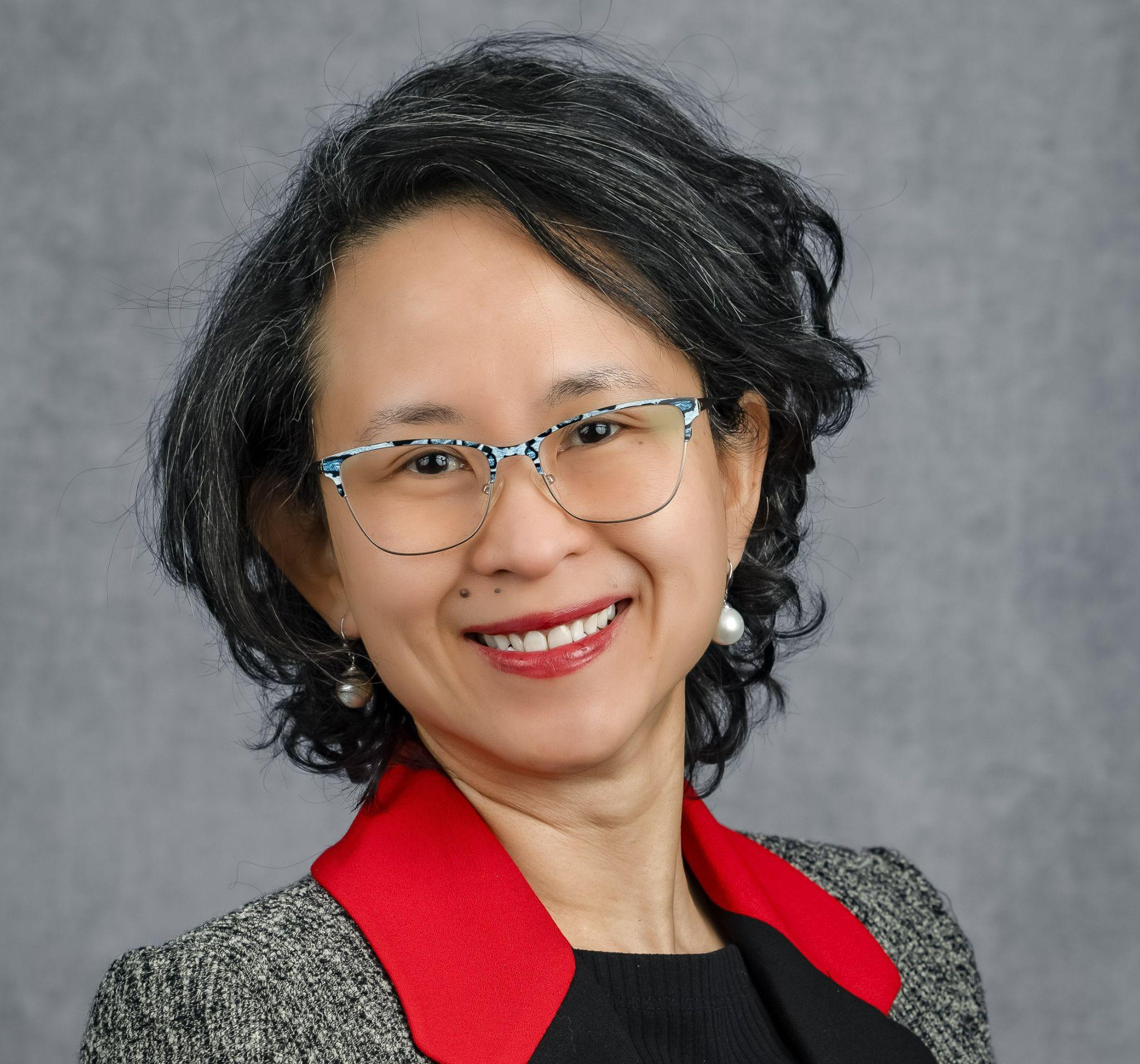
Gretchen Dueñas-Tanbonliong

Associate Director of Health & Wellness at the National Council on Aging (NCOA), and a registered dietitian nutritionist

On Retirement Navigator
How Much Protein Do You Need After 60? The Number, and How to Hit It

Gretchen Dueñas-Tanbonliong

Listen

“While we do need the same quantity of nutrients, our challenge now is how to fit them into fewer calories … You have to be choosy.”

— Gretchen Dueñas-Tanbonliong, Episode 20, at 07:02

About Gretchen

Gretchen Dueñas-Tanbonliong is Associate Director of Health & Wellness at the National Council on Aging (NCOA), where she works to make practical, evidence-based health and nutrition information easier for older adults to find and use.

She is a registered dietitian nutritionist and a master certified health education specialist, and holds a Master of Science and a Master of Public Health. Her career spans nonprofit, international and industry settings, with a focus on nutrition communication, public health and wellness education that supports healthy aging, independence and quality of life.

Credentials

  • Associate Director of Health & Wellness, National Council on Aging (NCOA)
  • Registered Dietitian Nutritionist (RDN)
  • Master Certified Health Education Specialist (MCHES)
  • MS and MPH

What you'll learn


  • Be choosy. Your nutrient needs stay about the same while your calorie needs drop, so pick foods that deliver more nutrients for fewer calories.
  • Know your protein number. Gretchen cites 1 to 1.2 grams per kilogram of body weight a day for healthy older adults. Someone who weighs 154 pounds would aim for roughly 70 to 84 grams, spread across meals and snacks.
  • Pair protein with strength training. Push-ups, lunges and simple hand weights at home count. She calls it your independence insurance, because it protects your balance and helps prevent falls.
  • You don't need protein powders or bars. Add powdered milk to a smoothie, an egg to your ramen, or peanut butter to apple slices or celery.
  • Get help with groceries. BenefitsCheckUp.org shows which programs you may qualify for. Senior centers offer shared meals, and Meals on Wheels serves people who are homebound.
  • Check food and medication combinations with your doctor. If you take warfarin, keep your leafy greens and other vitamin K foods consistent. If you take a statin, grapefruit juice can raise the drug's level in your blood.
  • Judge advice by who is behind it, their credentials and who funds it, and start small: even 10-minute "exercise snacks" add up.

In this episode


  • 00:00What You Will Take Away
  • 01:59Meet Gretchen
  • 02:30What the National Council on Aging Does
  • 05:18Same Nutrients, Fewer Calories
  • 07:06Be Choosy
  • 08:08Why Vitamin B12 Gets Harder to Absorb
  • 08:52Why Protein Matters After 60
  • 09:53How Much Protein You Need
  • 10:55Pair Protein With Strength Training
  • 12:05Is It Too Late to Start?
  • 13:55Falls and Your Independence Insurance
  • 16:17Why Knowing Isn't Doing
  • 19:22Affordable Protein From Your Kitchen
  • 22:04Help Paying for Groceries
  • 23:48Senior Center Meals and Meals on Wheels
  • 25:44Where NCOA Is Headed
  • 27:15Why Gretchen Does This Work
  • 29:33No Magic Bullet
  • 31:01How to Judge Nutrition Advice
  • 32:46Food and Medication Interactions
  • 34:15Start Small: Exercise Snacks
  • 37:03Where to Find Gretchen
  • 37:44Gretchen's Resources, in One Place

More conversations


Never miss a conversation

New episodes every week, wherever you already listen. Curiosity, confidence, and clarity for the next thirty years.

Or get each new episode by email

We use your email only to tell you about new episodes. Unsubscribe anytime with one click.